
In the modern era of interior design, Wayfair has established itself as a titan of the e-commerce furniture market. By operating almost exclusively as a digital platform, the brand has bypassed the constraints of physical showrooms to offer a selection that is virtually unmatched in the retail world. Whether you are furnishing a new apartment or looking for a single statement piece, Wayfair provides a comprehensive ecosystem for home improvement.

A Boundless Catalog of Home Essentials
The primary draw of Wayfair is its sheer volume. While traditional furniture stores are limited by the square footage of their galleries, Wayfair hosts over 30 million products sourced from a global network of more than 25,000 suppliers. This massive inventory ensures that users can find items across every imaginable style and price point. On the platform, you can find:
- Furniture: A vast array of sofas, beds, dining sets, and office furniture that ranges from budget-friendly basics to high-end artisanal pieces.
- Decor and Textiles: Area rugs, wall art, lighting fixtures, and bedding sets designed to add personality to any room.
- Outdoor Living: Patio furniture, fire pits, and gardening tools for creating functional exterior spaces.
- Appliances and Kitchen: Large-scale kitchen appliances alongside specialized cookware and tabletop essentials.
- Renovation Supplies: Vanities, flooring, and plumbing fixtures for those embarking on home remodeling projects.
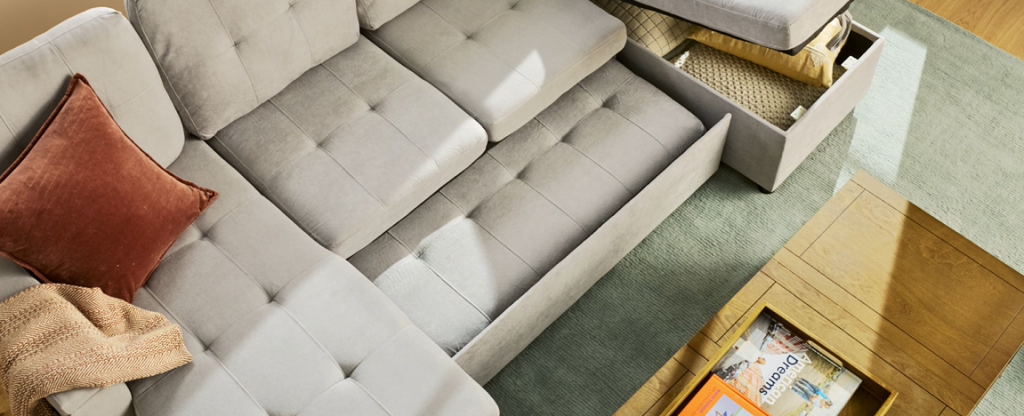
By centralizing these categories, Wayfair simplifies the shopping journey, allowing customers to coordinate an entire room’s aesthetic without leaving the site.
Exclusive Brands and Specialized Styles
To help shoppers navigate its enormous catalog, Wayfair has developed several exclusive brands that cater to specific design personas. These include “Andover Mills” for those seeking traditional, timeless looks; “AllModern” for fans of sleek, mid-century aesthetics; and “Birch Lane” for a classic farmhouse feel. These curated collections allow Wayfair to provide the specialized feel of a boutique shop within the infrastructure of a global marketplace.
Technological Integration and Visual Tools
One of the most significant factors that differentiates Wayfair from other brands is its heavy investment in technology to solve the “visualization gap” of online shopping. Because customers cannot physically sit on a sofa or touch a fabric before buying, Wayfair employs several advanced features:
- 3D Room Planner: An interactive tool that allows users to create a digital model of their room and place Wayfair products inside to check for scale and style compatibility.
- Visual Search: A feature where users can upload a photo of a piece of furniture they like in the real world, and the Wayfair AI will scan the catalog to find the closest matches.
- Augmented Reality (AR): Through the mobile app, shoppers can “place” 3D models of furniture directly into their actual living space using their smartphone camera, seeing how a piece fits in real-time.
Market Distinctions and Logistics

When compared to general retailers like Amazon or specialized brands like IKEA, Wayfair occupies a middle ground that prioritizes variety and specialized service. Unlike IKEA, which focuses on its own proprietary designs and self-assembly models, Wayfair serves as a marketplace for thousands of different manufacturers. This results in a broader spectrum of quality and price, accommodating both entry-level buyers and those seeking premium, long-lasting investments.
Furthermore, Wayfair has built a dedicated logistics network specifically designed for “big and bulky” items. This “CastleGate” fulfillment system allows Wayfair to handle the delicate transport of heavy furniture more effectively than standard parcel carriers, offering specialized services like “white-glove delivery” where items are brought into the home and assembled for the customer.
By combining an endless aisle of products with cutting-edge visual technology and a logistics network tailored for furniture, Wayfair has transformed the way people furnish their homes. It remains a primary resource for anyone who values choice, convenience, and the ability to visualize their home’s potential before making a purchase.